



Blog
Crystals In Powder Ketamine

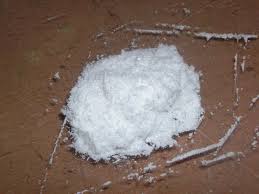
Crystals In Powder Ketamine, Ketamine, originally developed as an anesthetic, has become widely known for its off-label therapeutic uses and recreational appeal. When encountered in its powdered form, a common point of curiosity and concern involves the presence of crystals in powder ketamine. But what exactly do these crystals signify? Are they indicators of purity, contamination, or just a result of processing?
What Are Crystals in Powder Ketamine?
Ketamine, when produced and processed, often crystallizes before being ground into a fine powder. These crystals in powder ketamine are simply small fragments of ketamine hydrochloride in its less-refined form. Their presence is not necessarily a red flag, but they can reveal certain details about the drug’s handling, origin, and quality.
Crystals in powdered ketamine may appear shiny, transparent, or off-white. Depending on how the powder has been stored, milled, or transported, the crystals can range in size and texture—some appearing like grains of sugar, others resembling tiny shards.
Does the Presence of Crystals Indicate Purity?
This is a common myth in user communities: that visible crystals in powder ketamine mean it is more potent or purer. While there’s some truth in that well-formed crystals can be a sign of a less adulterated product, crystal presence alone is not a definitive indicator of purity.
In fact, high-purity ketamine can be either finely powdered or crystalline. Laboratory testing (such as gas chromatography–mass spectrometry) is the only reliable method to determine the exact purity and presence of any cutting agents.
Possible Risks of Crystalline Ketamine
From a harm reduction standpoint, large or jagged crystals may pose issues when insufflated (snorted), potentially causing nasal irritation or tissue damage. Users often crush crystals more finely before use to reduce discomfort and improve absorption.
Additionally, if the crystals in powder ketamine are not well understood or tested, there is a risk they could be impurities, other drugs, or cutting agents (e.g., sugars, caffeine, or synthetic analogues). This is why drug checking services or reagent testing kits are crucial when assessing unknown substances.
Pharmaceutical vs. Illicit Ketamine
Pharmaceutical-grade ketamine, typically intended for injection, is produced in sterile conditions and often dissolved in liquid form. Powdered ketamine available on the street is usually synthesized in labs of varying standards. During illicit production, crystallization can occur at various stages—whether during initial synthesis or during recrystallization to remove impurities.
Illicit powder that appears “chunky” or with excessive crystals in powder ketamine may indicate crude processing or poor attempts at purification.
Best Practices for Harm Reduction
If you encounter powder ketamine with visible crystals:
-
Crush before use: Finely grind any visible crystals to minimize harm.
-
Test the substance: Use reagent kits or professional testing services.
-
Start with a small dose: Especially if you’re unsure about potency.
-
Store properly: Crystals can reform or degrade if exposed to moisture or temperature changes.
Conclusion
The presence of crystals in powder ketamine can be intriguing, but they are not a guaranteed sign of high quality or purity. Understanding what these crystals signify—along with responsible use and proper testing—can help minimize risk. Whether for therapeutic or recreational reasons, informed and cautious use of ketamine remains essential for health and safety.